
What Do OSHA Rules Actually Require?
Two different OSHA sections cover this, and mixing them up gets contractors in trouble. General sanitation on construction sites falls under OSHA 1926.51(c), which sets toilet counts by crew size: one facility for 20 workers or fewer, then one seat and one urinal per 40 workers as the crew grows past that, dropping to one per 50 once you hit 200 or more. Separately, OSHA 1926.51(f)(1) requires washing facilities specifically where crews apply paints, coatings, herbicides or insecticides, or work around other harmful contaminants. That is not a blanket handwashing mandate. It is triggered by what the crew is doing that day. If your Cicero crew is painting a facade or spraying herbicide along a fence line, that is when 1926.51(f)(1) kicks in and a handwashing station rental becomes a requirement, not a nice-to-have. Pair that with an adequate potable water supply under OSHA 1926.51(a)(1), which applies to every job site regardless of task. A portable sink rental covers both needs in one unit if you are not sure which rule applies yet.
How Many Handwashing Stations Does a Cicero Job Site Need?
One station per 20 workers is the baseline most crews plan around, mirroring the same ratio OSHA uses for toilets under 1926.51(c). Agricultural operations follow a slightly different standard: OSHA 1928.110 requires field sanitation with potable water, toilets and handwashing at one facility per 20 hand-labor employees, and that facility has to sit within a quarter mile walk of where people are working. If you run a landscaping crew or a produce operation near Cicero, that quarter-mile rule matters more than the general construction ratio. For a mixed site with painters, framers and general labor all working different tasks, it is worth running the numbers through our how many porta potties do I need guide, since toilet counts and handwash station counts often track together. Food trucks and vendor booths at events add another layer entirely. If you are staffing a festival or a fair, check the festival restroom rental page or the county fair restrooms page for how vendor handwashing typically gets planned alongside guest restrooms.
Does Hand Sanitizer Count as Compliant Handwashing?
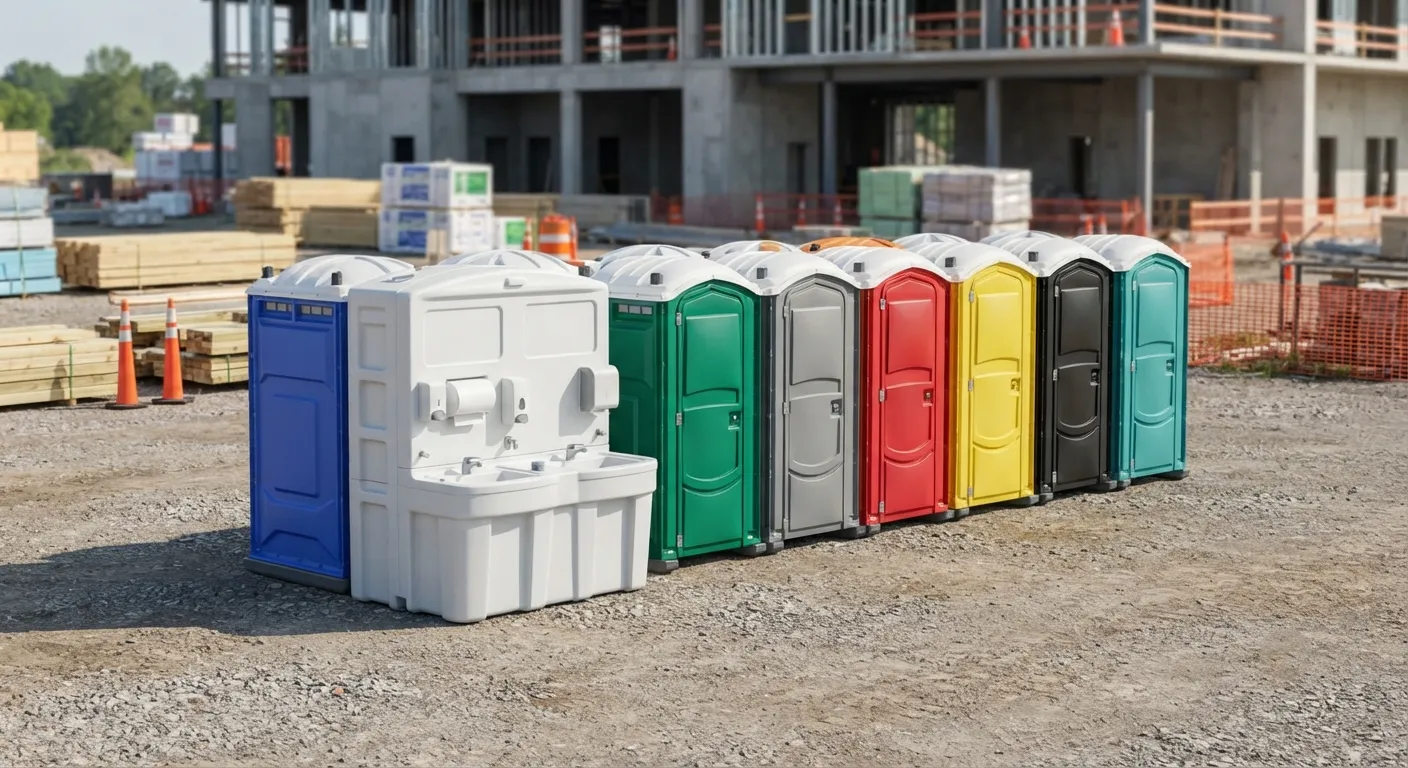
No. 29 CFR 1910.141(d)(2) is explicit that washing facilities need soap and towels or a hand-drying device. Sanitizer stations are a fine supplement, especially at event entrances or near portable restroom rental clusters, but they do not replace a real handwash sink where the rule applies. This trips up more contractors in Cicero than almost anything else on this list, mostly because sanitizer is cheaper and easier to place. If your crew is spraying insecticide or refinishing a deck with coatings, OSHA 1926.51(f)(1) is going to want an actual sink, not a pump bottle. A hand sanitizer station rental works as a supplement near restrooms or entry points, but pair it with a proper handwashing unit when contaminants are involved. For general industry workplaces, not construction, the toilet and washing ratios shift to OSHA 1910.141(c)(1)(i), which uses its own employee-count table. Know which standard applies to your site before you order equipment.
Where Should Stations Go on the Site?
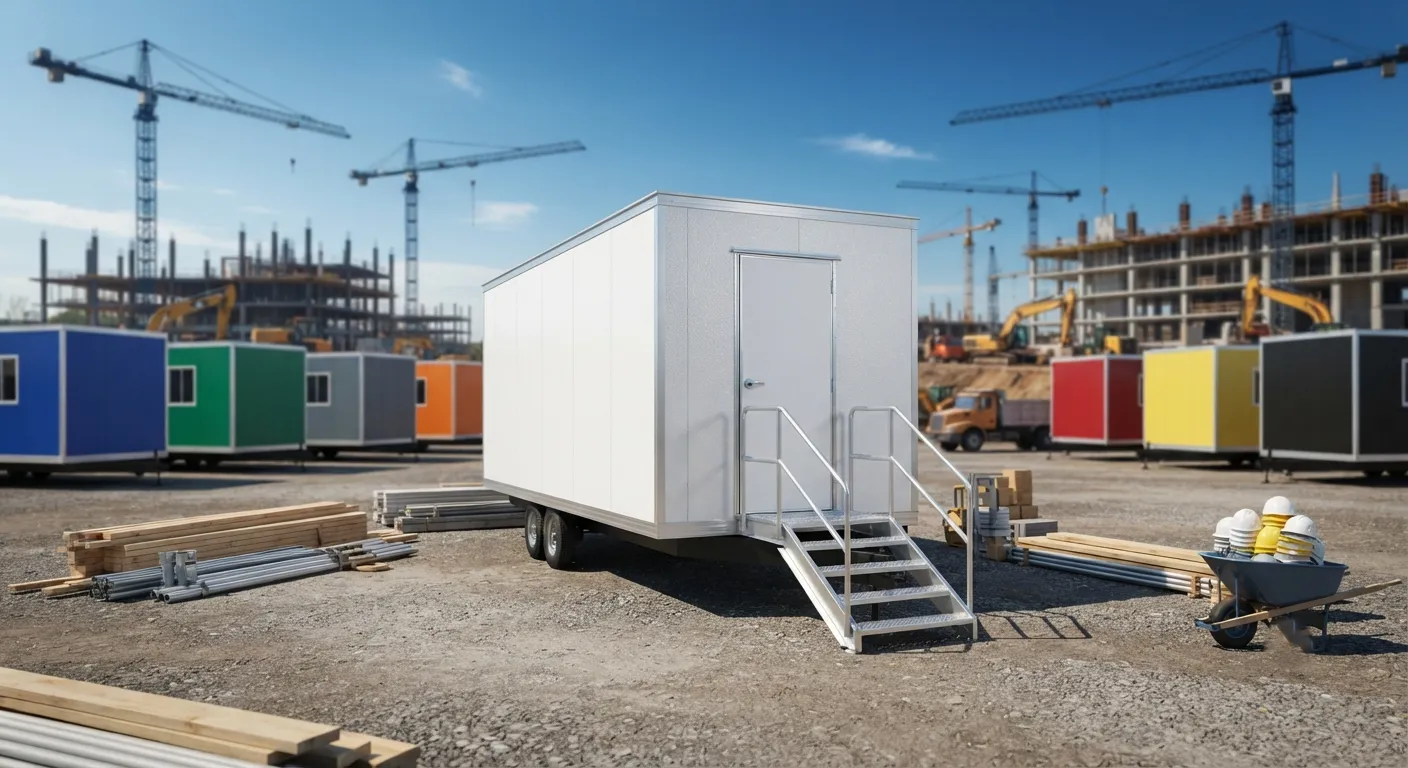
Placement matters almost as much as having the units at all. ADA Standards 213.2 requires that where portable toilets are clustered, at least 5 percent of the units, and never fewer than one, be accessible, and that same accessibility thinking applies to handwash stations placed alongside them. ADA Standards 403.5.1 sets a 36 inch minimum clear width for the route leading to any accessible unit, and 304.3.1 calls for a 60 inch turning circle nearby. If you are setting up for an event with an ADA accessible porta potty on site, put the handwash station on the same accessible path, not off to the side. Our porta potty placement guide covers ground conditions and clearance in more depth, and ADA Standards 302.1 requires that the surface under and around the unit be stable and slip resistant. Gravel that shifts underfoot fails that standard even if the unit itself is compliant.
Cost and Setup
| unit | duration | typical price |
|---|---|---|
| standard porta potty | day | $150 |
| standard porta potty | week | $200 |
| deluxe flushable unit | week | $250 |
| delivery fee | day | $150 |
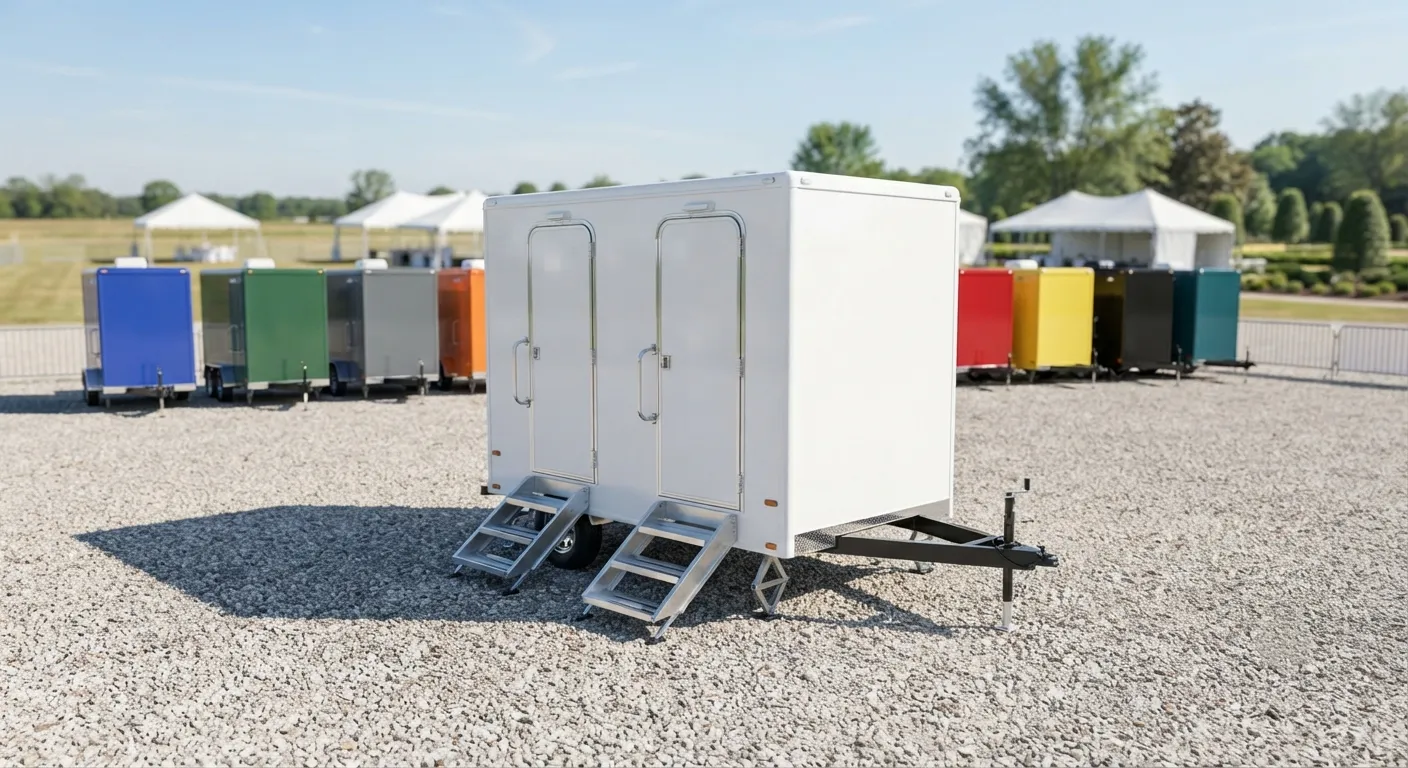
Handwashing stations generally run alongside a standard porta potty rental or deluxe flushable porta potty order rather than as a standalone line item, and delivery fees apply per drop whether you are ordering one unit or ten. For multi-week jobs, check the monthly porta potty rental page, since per-day pricing adds up fast on longer projects. If your Cicero job is near Forest Park, 4.7 miles northwest, or Brookfield, 6.1 miles west, the same delivery bands apply. Contractors comparing costs across unit types should start with the porta potty rental cost overview before ordering.
What triggers OSHA 1926.51(f)(1) specifically?
Applying paints, coatings, herbicides or insecticides, or any task involving harmful contaminants, triggers this rule. It is not a general handwashing requirement. If your crew's task doesn't involve those substances, general sanitation rules under 1926.51(c) apply instead.
Can sanitizer stations replace sinks on a Cicero job site?
No. 29 CFR 1910.141(d)(2) requires soap and towels or a hand-drying device. Sanitizer works as a supplement near entrances or restroom clusters, but it does not satisfy the washing facility standard on its own.
How far can a handwashing station be from the work area?
For agricultural field sanitation, OSHA 1928.110 sets a quarter mile maximum walk to the facility. General construction sites don't have that exact distance rule, but placing stations near active work areas keeps crews compliant and actually using them.
Do event vendors need separate handwashing stations from guest restrooms?
Usually yes, especially for food vendors. Check the event restroom rental page for how planners typically separate guest and vendor sanitation needs, since food handling often triggers stricter requirements than general guest use.
What ground surface works best under a handwashing station?
ADA Standards 302.1 requires a stable, firm, slip-resistant surface. Gravel or soft soil that shifts underfoot fails that standard even with a compliant unit on top. Pavement, packed base or mats over grass all typically work.
Next step
Get a delivery date
Tell us the address, the dates and the headcount. We size the order and confirm the route.